
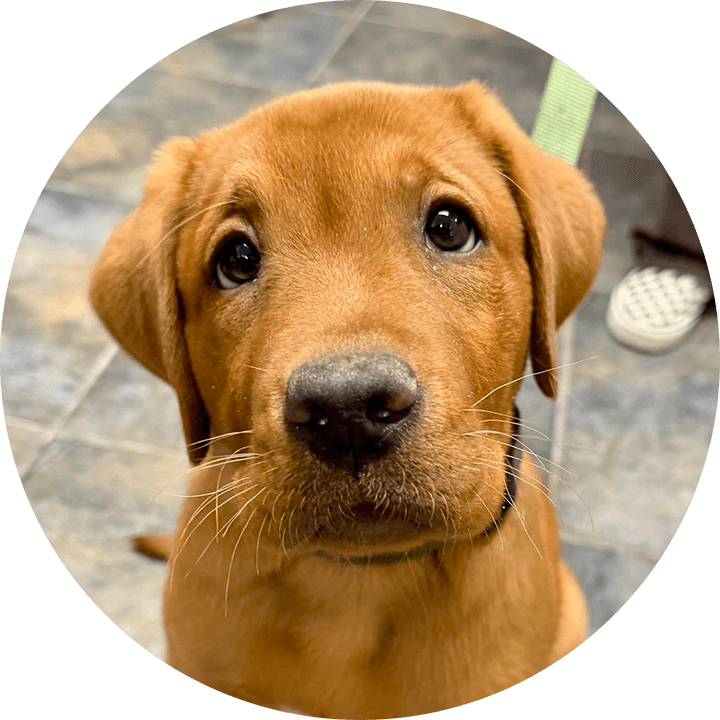
Cytology in Dogs, Cats, and Other Pets
Veterinary Diagnostic Services at Southern Ocean Animal Hospital
TL;DR (Quick Summary)
Cytology is a fast, minimally invasive test where veterinarians collect cells from your pet and examine them under a microscope.
It helps answer questions like:
- Is this a lump cancer or something harmless?
- Is this infection bacterial or yeast?
- Is there inflammation or something more serious?
Most cytology tests are:
- Quick (often same-day results)
- Low stress for your pet
- Affordable compared to more invasive testing
It’s one of the first and most powerful tools Dr. Dan uses to figure out what’s going on.
ELI5: Cytology Explained Simply
Imagine your pet has a bump or an itchy ear.
Instead of guessing, your veterinarian takes a tiny sample, like a drop of cells, and looks at it under a microscope.
It’s like zooming in really close and asking:
👉 “What are these cells telling us?”
- Are there bacteria?
- Is it just fat?
- Are the cells normal or abnormal?
Cytology helps your vet see the problem clearly, so they can treat it properly.
Introduction
When your pet has a lump, skin problem, ear infection, or unexplained illness, one of the first diagnostic tools your veterinarian may recommend is cytology.
Cytology is the study of cells. In veterinary medicine, it allows veterinarians to quickly examine what’s happening at a microscopic level, often within minutes.
At Southern Ocean Animal Hospital, Dr. Dan uses cytology every day to:
- Identify infections
- Evaluate lumps and masses
- Detect inflammation
- Screen for cancer
- Guide treatment decisions
What makes cytology so valuable is that it is:
- Fast
- Minimally invasive
- Cost-effective
- Highly informative
In many cases, cytology provides answers without the need for surgery or anesthesia.
Key Ideas for Pet Owners
- Cytology examines cells under a microscope
- It helps diagnose infections, lumps, and inflammation
- Most tests are quick and painless
- Results are often available the same day
- It may prevent the need for more invasive procedures
What Cytology Is Used For
Cytology has a wide range of applications in veterinary medicine.
Common uses include:
- Skin infections
- Ear infections
- Lumps and tumors
- Abscesses
- Cysts
- Fluid analysis (joints, abdomen)
- Internal organ evaluation
- Open wounds or sores
Types of Cytology Techniques
Veterinarians use several methods to collect cells.
Fine-Needle Aspiration (FNA)
What it is:
A small needle is used to collect cells from a lump or organ.
Best for:
- Lumps under the skin
- Tumors
- Internal organs
Why it’s great:
- Quick
- Minimal discomfort
- No surgery required
Impression Smear
What it is:
Cells are collected by pressing a slide against a surface.
Best for:
- Open wounds
- Ulcers
- Skin lesions
Swabs
What it is:
A cotton swab collects cells from an area.
Best for:
- Ear infections
- Skin infections
Fluid Sampling
What it is:
Fluid is collected from the body.
Best for:
- Joint issues
- Abdominal fluid
- Cysts
What Veterinarians Look For
Under the microscope, Dr. Dan evaluates:
| Feature | What It Means |
|---|---|
| Cell type | Identifies tissue or disease |
| Bacteria | Indicates infection |
| Yeast | Common in ears/skin |
| Inflammatory cells | Shows immune response |
| Abnormal cells | May indicate cancer |
Common Diagnoses Using Cytology
Cytology helps diagnose a wide range of conditions.
Infections
- Bacterial infections
- Yeast infections
- Mixed infections
Inflammation
- Allergic reactions
- Autoimmune conditions
- Chronic irritation
Benign Growths
- Lipomas (fatty tumors)
- Cysts
- Warts
Cancer
Cytology can help detect:
- Mast cell tumors
- Lymphoma
- Carcinomas
Timeline: What to Expect
| Step | Timeframe |
|---|---|
| Sample collection | Minutes |
| Slide preparation | Minutes |
| Microscopic exam | Same visit |
| Results | Often immediate |
Some complex cases may require lab submission.
Example Scenario
A pet owner notices a lump on their dog’s side.
Dr. Dan performs a fine-needle aspiration.
Within minutes, cytology reveals:
👉 A lipoma (fatty tumor) benign and harmless.
No surgery is needed, and the owner leaves with peace of mind.
Cytology in Dogs
Dogs frequently benefit from cytology due to common skin and lump issues.
Common Conditions in Dogs
- Skin infections
- Ear infections
- Lumps and masses
- Allergies
Breeds More Likely to Need Cytology
Certain breeds are prone to skin conditions or tumors:
- Golden Retriever (higher tumor risk)
- Boxer (mast cell tumors)
- Labrador Retriever (lipomas)
- Bulldog (skin infections)
- Cocker Spaniel (ear infections)
Why Cytology Is Important for Dogs
Dogs often develop lumps and skin issues. Cytology helps determine:
- If a lump is harmless or dangerous
- What type of infection is present
- The best treatment approach
Cytology in Cats
Cats often hide illness, making cytology especially valuable.
Common Conditions in Cats
- Skin lesions
- Abscesses
- Tumors
- Ear infections
Breeds More Likely to Need Cytology
- Persian Cat (skin issues)
- Siamese Cat (tumor risk)
- Maine Coon (various conditions)
Unique Considerations for Cats
- Cats may require gentle handling or mild sedation
- Abscesses are more common due to bite wounds
- Early diagnosis is critical since cats hide symptoms
Cytology in Other Pets
Cytology is also used in:
- Rabbits
- Ferrets
- Birds
- Reptiles
It helps diagnose infections, tumors, and inflammation across species.
Signs Your Pet May Need Cytology
- Lumps or bumps
- Itchy skin
- Red or inflamed ears
- Discharge
- Open sores
- Swelling
- Unexplained illness
Advantages of Cytology
Why veterinarians love this tool:
- Fast results
- Minimally invasive
- Low cost
- No anesthesia in most cases
- Immediate treatment decisions
Limitations of Cytology
While powerful, cytology is not perfect.
- May not provide a definitive cancer diagnosis
- Some samples may be inconclusive
- Biopsy may still be needed
Cytology vs Biopsy
| Feature | Cytology | Biopsy |
|---|---|---|
| Invasiveness | Low | Higher |
| Speed | Fast | Slower |
| Detail | Moderate | High |
| Cost | Lower | Higher |
Dr. Dan’s Diagnosis and Treatment Approach
At Southern Ocean Animal Hospital, cytology is part of a larger diagnostic strategy.
Step 1: Listen to You
Your observations guide the process.
Step 2: Physical Exam
Dr. Dan evaluates the area of concern.
Step 3: Cytology Testing
A sample is collected and examined immediately.
Step 4: Immediate Results
In many cases, Dr. Dan can explain findings on the spot.
Step 5: Treatment Plan
Based on results, treatment may include:
- Antibiotics
- Antifungals
- Anti-inflammatory medications
- Monitoring
- Further diagnostics if needed
Real-Life Example
A cat comes in with a swollen cheek.
Cytology reveals:
- Infection (abscess)
Treatment:
- Drainage
- Antibiotics
The cat recovers quickly without surgery.
Glossary of Terms
Cytology
Study of cells under a microscope.
Fine-Needle Aspiration (FNA)
Using a small needle to collect cells.
Inflammation
Body’s response to injury or infection.
Lipoma
A benign fatty tumor.
Mast Cell Tumor
A type of skin cancer in dogs.
Impression Smear
Collecting cells by pressing a slide onto tissue.
Summary
Cytology is one of the most valuable diagnostic tools in veterinary medicine. It allows veterinarians to quickly and safely examine cells, providing critical information about your pet’s health.
It helps diagnose:
- Infections
- Inflammation
- Lumps and tumors
- Internal conditions
Because it is fast, affordable, and minimally invasive, cytology is often the first step in diagnosing many conditions.
Call Us & Schedule
If your pet has a lump, skin issue, or unexplained symptoms, cytology can provide answers quickly.
At Southern Ocean Animal Hospital, Dr. Dan and the team use advanced diagnostic tools, including cytology, to ensure your pet gets the right diagnosis and the right treatment.
📞 Call today to schedule an appointment and get answers you can trust.
Because when it comes to your pet’s health, early answers lead to better outcomes.