
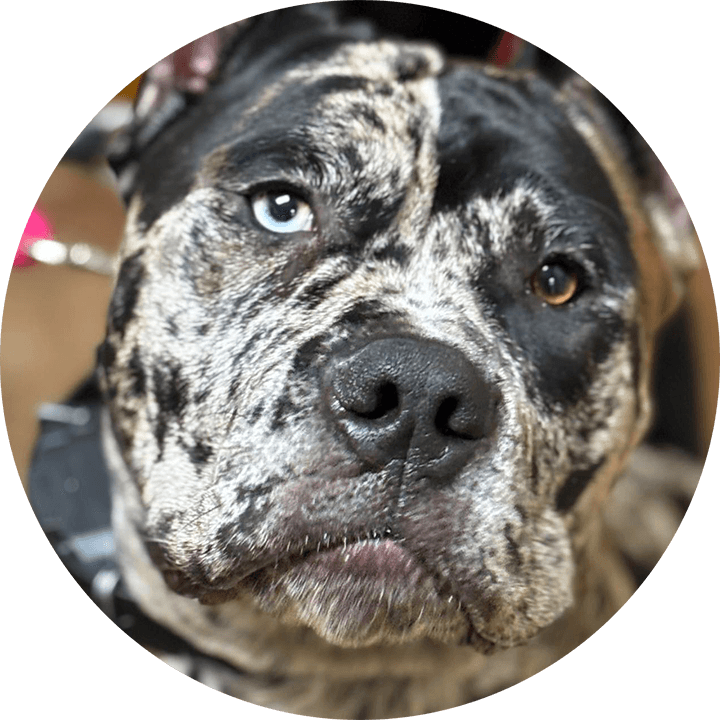
Brain Disorders in Dogs and Cats: Diagnosis, Treatment, and What Pet Owners Should Know
TL;DR (Too Long; Didn’t Read)
Brain disorders in pets can cause seizures, balance problems, behavior changes, or weakness. Most conditions can be diagnosed without a CT or MRI using a careful history, physical and neurological exams, bloodwork, and targeted tests. Many pets improve with medications and supportive care; some need referral for advanced imaging or surgery. Early evaluation matters.
ELI5 (Explain Like I’m 5)
Your pet’s brain is the control center. It tells the body how to move, balance, see, think, and behave. If something irritates, inflames, or damages the brain—like a seizure disorder, infection, or tumor—your pet may act different, lose balance, or have seizures. Vets can often figure out what’s going on by watching how your pet moves and reacts, then treat it with medicine, rest, and time. Sometimes, we send pets to specialists for advanced scans if needed.
Introduction
Brain disorders are among the most concerning diagnoses for pet families—but they’re also far more manageable than many people expect. Dogs and cats can live comfortable, happy lives with brain conditions when they’re identified early and treated thoughtfully.
At Southern Ocean Animal Hospital, we emphasize clinical skill first. A detailed neurological exam and basic diagnostics often provide enough information to begin treatment without immediately jumping to CT or MRI. When advanced imaging is required—or if a client requests it—we coordinate referral to specialty centers.
This article explains:
- Common brain disorders in dogs and cats
- How veterinarians diagnose them
- Treatment options and timelines
- Breed predispositions
- What to expect at home
Key Ideas at a Glance
- 🧠 The neurological exam is the foundation of diagnosis
- 🩺 Bloodwork rules out metabolic causes
- 💊 Many brain disorders are treated medically
- 🧠 Seizures are a symptom, not a diagnosis
- 🐶 Dogs are affected more often than cats
- ⏱️ Early treatment improves outcomes
How Brain Disorders Are Diagnosed (Often Without MRI or CT)
1. History & Physical / Neurological Exam
This is the most important step.
Your veterinarian will ask about:
- Seizure activity (duration, frequency, recovery)
- Toxin exposure
- Trauma
- Behavior or personality changes
- Appetite and thirst changes
The neurological exam evaluates:
- Mental status and awareness
- Gait and balance
- Head tilt or circling
- Reflexes
- Cranial nerve function (eyes, face, swallowing)
In many cases, this exam localizes the problem to the brain and even to a specific region of the brain.
2. Bloodwork & Urinalysis
Used to rule out non-brain causes that affect the brain:
- Liver disease
- Kidney disease
- Electrolyte imbalances
- Low blood sugar
- Infection or inflammation
3. Advanced Imaging (MRI / CT)
Not always required, but recommended when:
- Structural disease is suspected (tumor, stroke)
- Signs are progressive or severe
- Surgery is being considered
- A client requests definitive imaging
4. Cerebrospinal Fluid (CSF) Analysis (Spinal Tap)
- Detects inflammation or infection
- Helpful for meningitis and encephalitis
- Often paired with imaging, but not always
5. Specialized Testing (Selected Cases)
- Electrodiagnostics
- Infectious disease titers
- Genetic testing (breed-specific)
Common Brain Disorders & Treatments
Seizures & Epilepsy
What it is:
A seizure is an electrical storm in the brain. Epilepsy is recurrent seizures without an identifiable structural cause.
Common breeds (dogs):
- Labrador Retrievers
- Golden Retrievers
- Border Collies
- Beagles
Cats:
Seizures are less common and more often linked to underlying disease.
Treatment:
- Anti-seizure medications (phenobarbital, levetiracetam)
- Long-term monitoring
- Lifestyle consistency
Vestibular Disease
What it affects:
Balance and coordination.
Signs:
- Head tilt
- Circling
- Falling over
- Rapid eye movements
Causes:
- Inner ear disease
- Brainstem disease
- Idiopathic (unknown cause, especially in older dogs)
Prognosis:
Often improves within days to weeks.
Brain Tumors (e.g., Meningioma)
What they are:
Abnormal growths within or around the brain.
Common in:
- Older dogs
- Cats (meningiomas are relatively common)
Treatment options:
- Steroids to reduce swelling
- Surgery or radiation (via referral)
- Palliative care
Meningitis & Encephalitis
What it is:
Inflammation of the brain and/or surrounding tissues.
Causes:
- Infection (bacterial, fungal, protozoal)
- Immune-mediated disease
Treatment:
- Antibiotics or antifungals
- Steroids or immunosuppressive medications
- Close monitoring
Cognitive Dysfunction (Pet Dementia)
What it is:
Age-related brain degeneration.
Signs (DISHA):
- Disorientation
- Interaction changes
- Sleep disturbances
- House-soiling
- Activity changes
Common in:
- Senior dogs
- Senior cats (often underdiagnosed)
Management:
- Prescription diets
- Supplements
- Environmental enrichment
- Medications (e.g., selegiline in dogs)
Stroke (Cerebrovascular Accident)
What it is:
Sudden interruption of blood flow to the brain.
Signs:
- Sudden imbalance
- Head tilt
- Weakness
Outcome:
Many pets improve significantly with supportive care.
Dogs vs. Cats: Key Differences
| Feature | Dogs | Cats |
|---|---|---|
| Epilepsy | Common | Rare |
| Vestibular disease | Common | Common |
| Brain tumors | Moderate | Common (meningioma) |
| Cognitive dysfunction | Common | Often missed |
| Trauma-related brain injury | Common | Very common |
Symptom Timelines
Sudden Onset (Hours–Days)
- Seizures
- Stroke
- Vestibular disease
Progressive (Weeks–Months)
- Brain tumors
- Cognitive dysfunction
- Inflammatory disease
Treatment Approaches (Without Immediate MRI/CT)
Medications
- Anti-seizure drugs
- Steroids (for inflammation/swelling)
- Antibiotics / antifungals
- Immunosuppressants
Supportive Care
- Anti-nausea meds
- Appetite support
- Environmental modifications
- Assisted feeding or mobility
Surgery / Referral
- Considered when medical therapy fails
- Used for tumors, trauma, or refractory cases
Dr. Dan’s Diagnostic & Treatment Philosophy
Dr. Dan prioritizes clinical examination and thoughtful decision-making over reflexive testing. Many brain disorders can be:
- Localized clinically
- Stabilized medically
- Managed long-term without advanced imaging
CT or MRI referral is recommended when:
- Surgery is a realistic option
- Symptoms progress despite treatment
- Clients desire definitive structural diagnosis
Summary
Brain disorders sound frightening, but many are manageable and treatable. With early evaluation, clear diagnosis, and a tailored treatment plan, pets can enjoy a good quality of life—even with chronic neurological conditions.
Contact Us
If your dog or cat is showing seizures, balance problems, or behavior changes, don’t wait.
📞 Contact Southern Ocean Animal Hospital today to schedule a neurological evaluation and discuss the best next steps for your pet.
Glossary
- CSF: Cerebrospinal fluid
- Neurological exam: Tests that assess brain and nerve function
- Epilepsy: Recurrent seizures without structural cause
- Vestibular system: Balance center of the brain and inner ear
- Encephalitis: Inflammation of the brain
If you’d like, I can:
- Split this into service-specific pages
- Create client handouts
- Add FAQ schema
- Tailor versions for dogs only or cats only